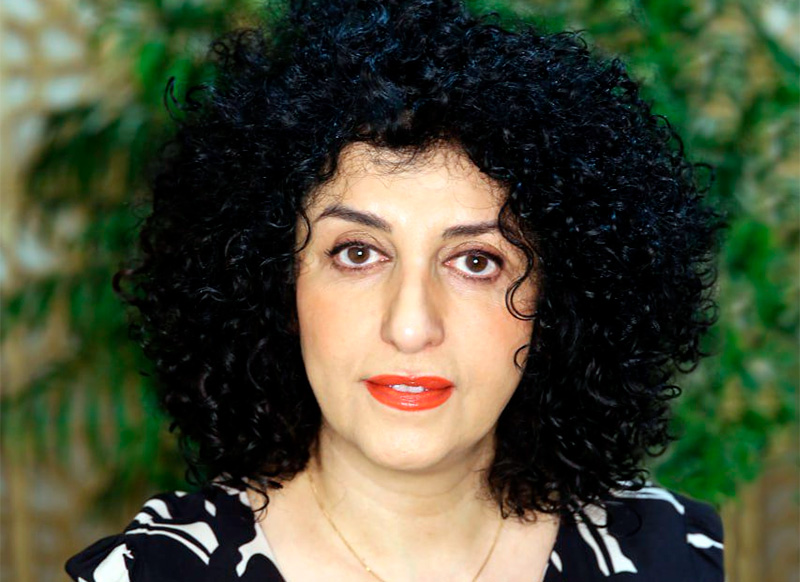
 Narges Mohammadi. Foto: narges.foundation
Narges Mohammadi, the 2023 Nobel Peace Prize laureate, was beaten and detained on December 12 during a mourning ceremony in the city of Mashhad, northeastern Iran.
As reported by the Narges Foundation, 38 other people were detained along with Mohammadi, including well-known human rights activists Sepideh Gholian, Javad Alikordi, and Puran Nazemi. The prosecutor of Mashhad, Hassan Hematifar, claims they «stood on a car and made provocative statements,» allegedly inciting the crowd to «disturb public order."
Narges Mohammadi, who lost contact immediately after the arrest, was able to make a brief phone call three days later. In a conversation with her family, she reported that she was attacked by a group of about 15 people in civilian clothes.
According to the human rights activist, she was beaten with batons on the head and neck, and her hair was pulled. Later, she was taken to the emergency room twice. At the time of the call, her physical condition was serious.
According to Mohammadi, during the detention, security forces told her: «We will make your mother mourn you.» Furthermore, the human rights activist was accused of collaborating with Israel, in an attempt to justify the brutality with political motives.
The mass arrests occurred during a ceremony in memory of lawyer Khosrow Alikordi, held on the seventh day after his death. Eyewitnesses reported that tear gas was used against the ceremony participants. Witnesses also noted the presence of a group of people who were presumably not Iranian. These people loudly shouted insults at the gathering and provoked conflicts.
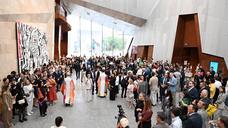
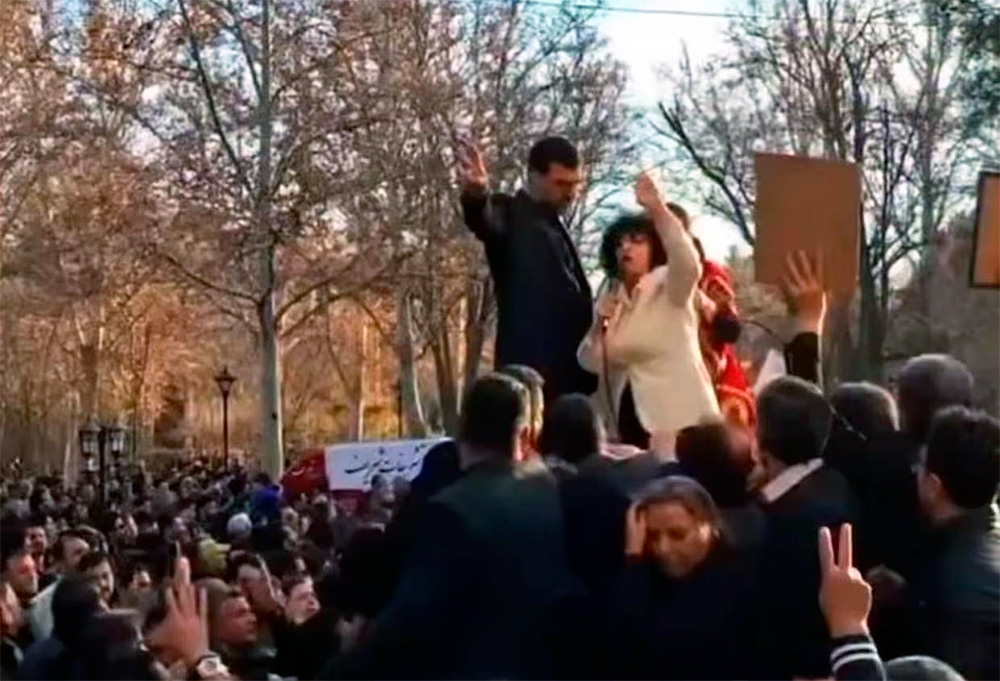 Narges Mohammadi at the mourning ceremony. Foto: narges.foundation
The prosecutor of Mashhad stated that all detainees are in a pre-trial detention center. Relatives report complete isolation of the arrested and lack of access to lawyers. Narges Mohammadi herself emphasized in the phone conversation that she was not informed under which specific security structure's jurisdiction she falls.
The human rights activist instructed her lawyers to immediately file an official complaint against the actions of the security forces. She demands an investigation into the beatings and illegal use of force. Other activists, including Aliyeh Motallebzadeh and Hasti Amiri, were also able to briefly contact their relatives and report their arrest.
The Narges Foundation called on the international community and human rights organizations to take urgent action. Representatives of the foundation demand an independent medical examination for all victims. They insist that evidence of violence must be documented to hold the perpetrators accountable.
«The unlawful detention and fabrication of cases against these civil and political activists must cease immediately and unconditionally, and their fundamental rights must be restored without delay,» the foundation emphasized.
The Norwegian Nobel Committee called on the Iranian authorities to immediately disclose the location of the human rights activist, ensure her safety and security, and release her without any conditions.
«The Committee expresses solidarity with Narges Mohammadi and all those in Iran who peacefully fight for human rights, the rule of law, and freedom of expression,» the organization's statement said.
ℹ️ Narges Mohammadi was born in 1972, is a physicist by education, and began her career as a journalist and author of political essays. She is married to the well-known activist Taghi Rahmani, who has lived in exile in France since 2012; the couple has two children.
Iranian authorities have arrested the human rights activist 13 times and sentenced her to a total of 31 years in prison and 154 lashes. In 2023, she sent a letter from prison condemning the mandatory hijab as a tool of religious pressure. In August 2024, Mohammadi received an additional year of imprisonment for statements about systematic sexual harassment in prisons, which Tehran called lies.
In December 2024, the human rights activist was temporarily released from Evin prison on medical grounds after an operation performed in November. Since her release, she has been regularly subjected to persecution and threats. In July 2025, the Ministry of Intelligence warned her lawyers against giving media interviews, mobilizing human rights groups, and promoting human rights.